
The Best Fluffy Pancakes recipe you will fall in love with. Full of tips and tricks to help you make the best pancakes.


How to Make an Espresso Martini
Espresso Martini Recipe. ,enhances aroma, and the dusting on top adds We promise a clear, fast path to a café-quality cocktail you can mix at home in about 10–15 minutes.
Our approach shows the exact ratios, tools, and steps we use to get silky foam and a bar-ready top. We list the ingredients at a glance so you can check vodka, coffee liqueur, freshly pulled espresso, and optional simple syrup and start shaking without delay.
We explain why the right glass and a proper chill make the presentation crisp. The three-bean garnish boosts aroma and the dusting on the top gives visual polish.
Expect bold coffee notes rounded by liqueur, clean vodka structure, and a smooth texture that feels luxe but not cloying. We also preview riffs — a Baileys twist and seasonal spins — and a comforting dinner pairing: Chicken and Dumplings with a crockpot or 4-ingredient option plus a Red Lobster biscuit twist.
Key Takeaways
- We give exact ratios and a 10–15 minute timeline for a reliable pour.
- Keep vodka, coffee liqueur, espresso, and simple syrup on hand to move fast.
- Chill the glass and double-strain for a cleaner top and finer foam.
- Garnish with three beans and a light dusting for aroma and look.
- Optional Baileys or seasonal variations add cream or spice without extra fuss.
Why We Love This Classic Espresso Martini
We love this classic because it balances bold coffee notes with clean spirit structure for a reliably elegant sip. The profile reads rich without being heavy, and the method gives consistent results every time.
Flavor profile: bold coffee, smooth vodka, balanced sweetness
Testers praise the standard ratio — 1 1/2 oz vodka, 1 oz coffee liqueur, 1 oz espresso, 1/2 oz simple syrup — for delivering a focused taste that rivals bar pours. The liqueur adds just enough sweetness to round the strong coffee oils.
When to serve: happy hour, brunch, dessert cocktails
We pick this cocktail for happy hour when we want energy and elegance in one glass. It also shines as a dessert drink or at brunch, since the roast and caffeine bridge coffee service and bar service seamlessly.
- Garnish tradition: three beans for health, wealth, and happiness adds aroma and ritual.
- Pairing tip: try it alongside crockpot Chicken and Dumplings or a 4-ingredient version with a Red Lobster biscuit twist for a comforting, clever way to finish a meal.
espresso martini recipe: Ingredients You’ll Need
We keep a short, reliable shopping list so every pour is balanced and fast. Start with quality vodka and a rich coffee liqueur like Kahlúa or Mr. Black. Measure precisely to protect the drink’s structure.
Core spirits
We use 1 1/2 oz vodka and 1 oz coffee liqueur as the backbone. The liqueur adds depth and a hint of sweetness without overpowering the spirit.
Coffee options
Freshly pulled espresso gives the best body and crema; cold brew concentrate is a convenient substitute when time is tight. Use 1 oz of either for a proper shot equivalence.
Sweeteners and accents
Keep 1/2 oz simple syrup on hand to fine-tune sweetness. A light dusting of espresso or cocoa powder via a fine-mesh sieve adds a professional finish.
Garnish tradition
“We top each serve with three coffee beans for aroma and a touch of ritual.”
- Optional 1/2 oz Baileys for a creamy twist.
- Measure shots precisely; too much liqueur or sugar skews balance.
- Align bar shopping with our Chicken and Dumplings dinner plan—try the crockpot or 4-ingredient version and a Red Lobster biscuit twist for extra flavor.
Essential Tools: Cocktail Shaker, Jigger, and Coupe Glass
A tidy tool kit makes the difference between a so-so pour and a café-quality drink.
We keep a simple setup: a sturdy cocktail shaker, a standard strainer, a fine-mesh sieve, and a chilled coupe glass. This line-up helps us lock texture and clarity every time.
Shaker, strainer, and fine-mesh sieve for a silky pour
We fill the shaker with fresh ice and a hot shot from an espresso machine, moka pot, or AeroPress. Vigorous shaking aerates the coffee and builds a glossy foam.
Double-strain: the strainer removes large shards; the sieve catches micro-grounds. The result pours satin-smooth into the coupe.
Chilling the glass for a bar-quality finish
We freeze the coupe for about 10 minutes so the surface stays tight and cold on arrival. A cold glass keeps the drink textured and prevents premature melt.
- Use a jigger to measure precisely—consistency = repeatable results.
- Always load fresh ice; melted ice dilutes texture fast.
- Set up a small station: glass chilling, shaker, strainer, sieve, towel.
“A neat station and the right shaker let us serve a glossy top every time.”
Pairing note: plan the slow-cooker Chicken and Dumplings or a 4-ingredient version so food is ready when guests arrive. For a playful twist, serve with a Red Lobster biscuit on the side.
Step-by-Step: How We Make a Frothy Espresso Martini at Home
Step-by-step, we show how timing and technique lock in texture and temperature. Start with a chilled coupe and a clean shaker so each pour begins cold and controlled.
Chill, measure, and shake vigorously for 15-30 seconds
Chill the glass: freeze the coupe for about 10 minutes to hold cold on arrival.
Measure into the shaker: 1 1/2 oz vodka, 1 oz coffee liqueur, 1 oz espresso, 1/2 oz simple syrup over fresh ice.
Shake hard: seal the cocktail shaker and shake 15–30 seconds until the metal is frosty and the foam begins to form.
Double-strain into a coupe glass and garnish like a pro
Open the shaker and pour through a standard strainer, then a fine-mesh sieve for a silkier top. This removes ice chips and micro-grounds.
Garnish the top with three coffee beans and, if desired, dust half the surface with espresso or cocoa powder for a dramatic contrast.
- We taste and tweak simple syrup on the next round to keep coffee as the star.
- We track time per round so multiple guests get the same glossy foam and cold serve.
- Pair tip: serve with our Chicken and Dumplings (crockpot or 4-ingredient) and a Red Lobster biscuit twist for a cozy combo.
| Step | Time | Purpose | Quick Tip |
|---|---|---|---|
| Chill coupe | 10 min | Keep drink cold | Freeze while prepping |
| Measure ingredients | 30–45 sec | Consistent balance | Use a jigger |
| Shake hard | 15–30 sec | Build stable foam | Listen for ice shifting |
| Double-strain & garnish | 15 sec | Silky top, clean pour | Dust half for contrast |
Pro Tips for a Frothy Espresso Martini
Simple timing and the right motion in the shaker make all the difference to foam stability. We focus on practical steps you can repeat to get a thick, lasting cap and a clean taste every time.
Use fresh, hot espresso and plenty of ice
We brew fresh shots because the natural oils whip into richer foam. Let the hot espresso cool for about a minute so the ice doesn’t melt too fast.
Shake harder and longer to build stable foam
Load the shaker with firm ice and shake vigorously for at least 15 seconds. We find a steady, strong rhythm gives a creamier head and consistent texture.
Prevent dilution: cool espresso briefly before shaking
Double-strain into a chilled glass to remove micro-ice and keep the mouthfeel silky. When speed matters, we use cold brew as a fallback, knowing the foam will be less lofty but the coffee profile stays bold.
“We set slow-cooker Chicken and Dumplings to finish around serving time so we can focus on shaking and presenting each glass perfectly.”
- Adjust sweetness lightly so the coffee leads the taste.
- Practice the same shaking way for repeatable results.
Cold Brew vs. Espresso: The Best Way to Make Espresso at Home
How we brew coffee at home affects foam, aroma, and speed when we craft a signature cocktail. For classic texture, we prefer a freshly pulled shot because the crema whips into a lush head.
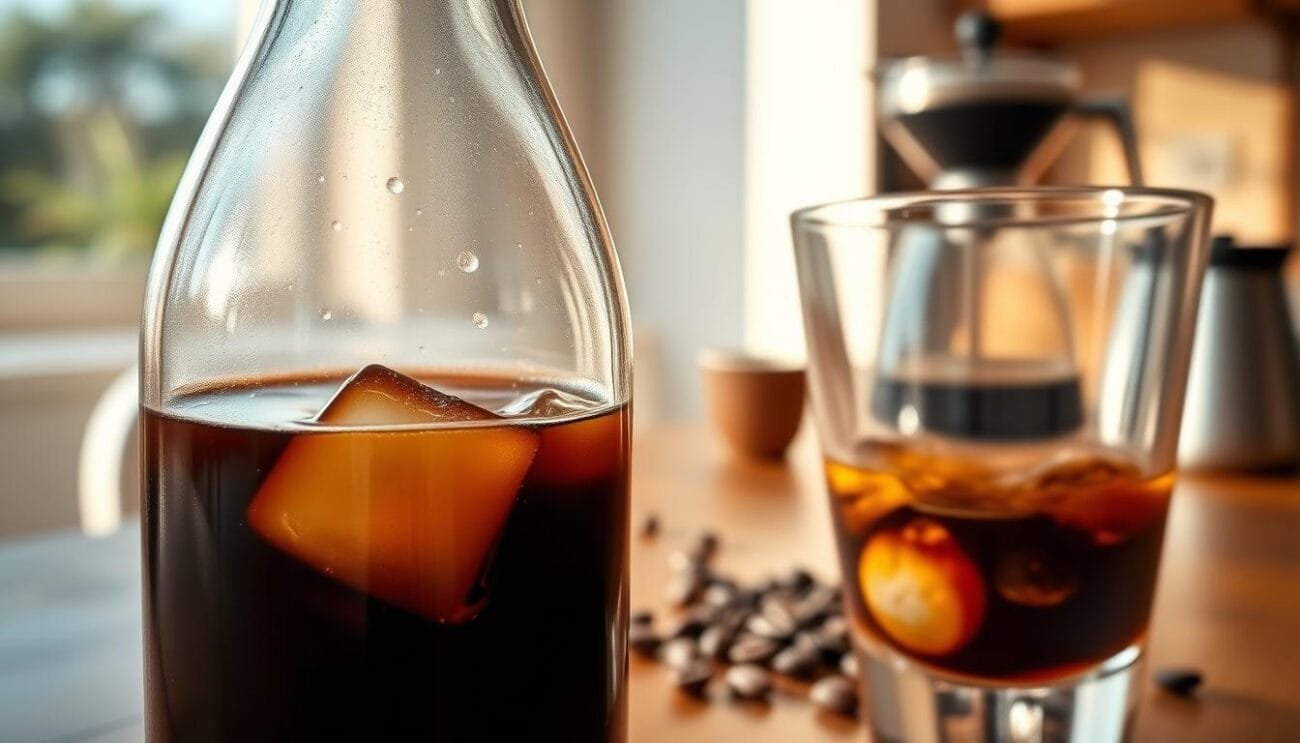
When to use cold brew concentrate for convenience
We reach for cold brew concentrate when hosting or batching drinks. Dose about 1 oz of brew concentrate to match a standard shot and keep the coffee vivid against liqueur and vodka.
Espresso machine, moka pot, or AeroPress alternatives
Use an espresso machine when possible; a moka pot or AeroPress brewed strong will get close enough to make espresso-like body. Test grind and strength so bitterness stays controlled.
- Fresh shot: best for foam and aroma.
- Cold brew: saves time and streamlines rounds.
- Plan ahead: pre-brew coffee while the Chicken and Dumplings simmer so we can shake and serve without kitchen chaos.
“Measure your concentrate and taste — small tweaks keep the coffee backbone bright in every drink.”
Variations to Try: From Classic to Creamy
We like to try measured twists that keep the coffee backbone intact while changing texture and sweetness. Small swaps let us scale from a straightforward pour to a frozen or creamy serve for different occasions.
Classic vs. Baileys creamy twist
Classic approach: we use a 1:1:1 baseline and dial simple syrup up or down to balance sweetness. This keeps the coffee flavor front and center.
Creamy twist: swap in 1/2 oz Baileys for added cream that softens edges without masking the coffee core.
Mocha, vanilla vodka, and salted caramel riffs
For a mocha note we add chocolate liqueur and reduce syrup so sugar stays in check. Vanilla vodka gives a soft aromatic lift.
A salted caramel riff uses caramel syrup and a tiny pinch of sea salt to pop flavor while preserving the spirit and coffee contrast.
Seasonal spins: frozen and holiday eggnog versions
Blend a frozen cocktail for hot days, keeping the coffee-to-vodka balance so the flavor still reads unmistakably coffee. For holidays, stir in restrained eggnog for warmth without heaviness.
- Cold brew coffee works well when batching or when we need speed.
- We pair these riffs with our Chicken and Dumplings plans—try the crockpot or 4-ingredient route and the Red Lobster biscuit twist for easy, comforting service.
Serving and Garnish: Three Coffee Beans and Finishing Touches
A clean finish and mindful garnish turn a good pour into a memorable serve. We double-strain into a chilled coupe glass so the top stays glossy and the temperature holds from first sip to last.
Espresso or cocoa powder dusting with a sieve
We dust half the surface with espresso or cocoa powder through a fine-mesh sieve for a crisp line. This simple step gives contrast on the top and a bar-ready look.
Pairings: chocolate desserts, tiramisu, and brunch pastries
We finish each serve with three coffee beans centered on the foam to honor tradition and add roasty aroma. Keep a small bowl of beans beside the station so garnishing is fast when serving multiple guests.
- We serve in a chilled coupe to showcase foam and keep the drink cold.
- We dust with powder via a sieve for a clean, professional line.
- We place three coffee beans on the surface as the final flourish.
- Pair with tiramisu, chocolate tarts, or brunch pastries to match the deep coffee profile.
- Style your table with Chicken and Dumplings (crockpot or 4-ingredient) and the secret Red Lobster biscuit twist for a comforting main between sips.
“Pour carefully to avoid disturbing the foam, then add finishing touches that make the drink feel bar-caliber at home.”
Batching, Timing, and Make-Ahead Storage
When hosting, smart batching and timing turn busy service into smooth, bar-quality pours. We pre-brew and chill coffee hours before guests arrive so we save time at the bar and keep flavors bright.
Pre-brew and chill; shake to order
We brew strong shots or cold brew and cool them in the fridge. This gives us a cold base ready to mix.
At service we jigger portions and shake each glass fresh to rebuild foam and chill the drink.
Short-term refrigeration and reviving leftovers. buy A good coffe
Batching works best when we combine measured vodka, liqueur, coffee, and simple syrup in a sealed bottle. Label it with ratio and date so we stay consistent.
Leftovers keep up to 24 hours refrigerated. Before serving again, we re-shake with fresh ice to revive texture. Expect a slightly softer foam.
“We time the slow-cooker Chicken and Dumplings to finish as guests sit so cocktails and dinner arrive together.”
- Fine-tune simple syrup in the batch to match sweets or brunch items.
- Rotate between espresso and cold brew depending on scale.
- Stage chilled glassware and a garnish kit for fast, polished pours.
| Action | Hold Time | Best Practice |
|---|---|---|
| Pre-brew coffee | 2–6 hours chilled | Cool before bottling to prevent dilution |
| Batch base (vodka & liqueur) | Up to 24 hours | Label ratio & date, keep sealed and cold |
| Re-shake leftovers | After refrigeration | Use fresh ice and vigorous shake to restore foam |
Conclusion
A single disciplined shake and a careful pour turn good ingredients into a memorable serve. Measure 1 1/2 oz vodka, 1 oz coffee liqueur, 1 oz hot espresso or a cold brew substitute, and 1/2 oz simple syrup. Shake hard in a cocktail shaker with fresh ice for 15+ seconds.
Double-strain into a chilled glass, dust half the top with powder, and finish with three coffee beans for aroma and polish. Aim for a stable foam by using enough ice and a vigorous shake.
We pair this pour with our Chicken and Dumplings (crockpot or 4-ingredient) and a playful Red Lobster biscuit twist for a cozy night in. Follow these steps and you’ll serve a frothy espresso martini that looks and tastes bar-quality every time.
FAQ
What core ingredients do we need for this coffee cocktail?
We use vodka, coffee liqueur such as Kahlúa or Mr. Black, and a strong coffee component — either fresh hot espresso or cold brew concentrate. Add simple syrup or a touch of sugar if we want more sweetness, and finish with three coffee beans for the classic garnish.
Can we use cold brew concentrate instead of hot espresso?
Yes. Cold brew concentrate gives a smoother, less acidic flavor and is convenient for batching. For the best texture, we chill the concentrate and shake with plenty of ice to build foam, though it won’t be as aerated as when we use hot espresso.
How do we get a frothy top every time?
We start with fresh coffee and lots of ice, then shake vigorously for 15–30 seconds. A dry shake (no ice) followed by a wet shake can help, and double-straining into a chilled coupe creates a silky pour and stable foam.
Which tools are essential to make a bar-quality cocktail at home?
We recommend a sturdy cocktail shaker, a jigger for accurate pours, a strainer, and a fine-mesh sieve for a smooth finish. Chilling a coupe glass in the freezer gives a crisp presentation and helps preserve the foam.
How long should we cool hot shots before shaking to prevent dilution?
We let hot shots rest for 30–45 seconds to shed surface heat but not go cold. This reduces excessive ice melt during shaking while keeping enough temperature contrast to form foam.
What’s the best way to batch this drink for a party?
We pre-brew and chill the coffee component and mix spirits and sweetener in a pitcher. For each serving, pour into a shaker with ice and shake individually to rebuild foam. Store mixed bases in the fridge for up to 48 hours, then re-shake before serving.
Are there simple variations we can try at home?
Absolutely. We swap in Baileys for a creamy twist, add mocha or salted caramel syrup for sweetness, or use vanilla vodka for a lighter aroma. Seasonal versions include frozen blends or custard-forward holiday riffs.
How should we garnish and pair this drink?
We dust with espresso or cocoa powder through a fine sieve and place three coffee beans on top for tradition. It pairs beautifully with chocolate desserts, tiramisu, and flaky brunch pastries.
What coffee equipment works if we don’t own an espresso machine?
We use alternatives like a Moka pot, AeroPress, or a strong pour-over; concentrate from these methods works well. If using cold brew concentrate, adjust strength to match a hot shot’s intensity.
How can we control sweetness without changing coffee flavor?
We add simple syrup, which dissolves evenly, or use a flavored syrup like vanilla or caramel sparingly. Taste and adjust in small increments so we preserve the coffee’s bold profile without overpowering it.